What’s Causing My Brakes to Squeal or Feel Weak?
What’s Causing My Brakes to Squeal or Feel Weak on the Monterey Commute?
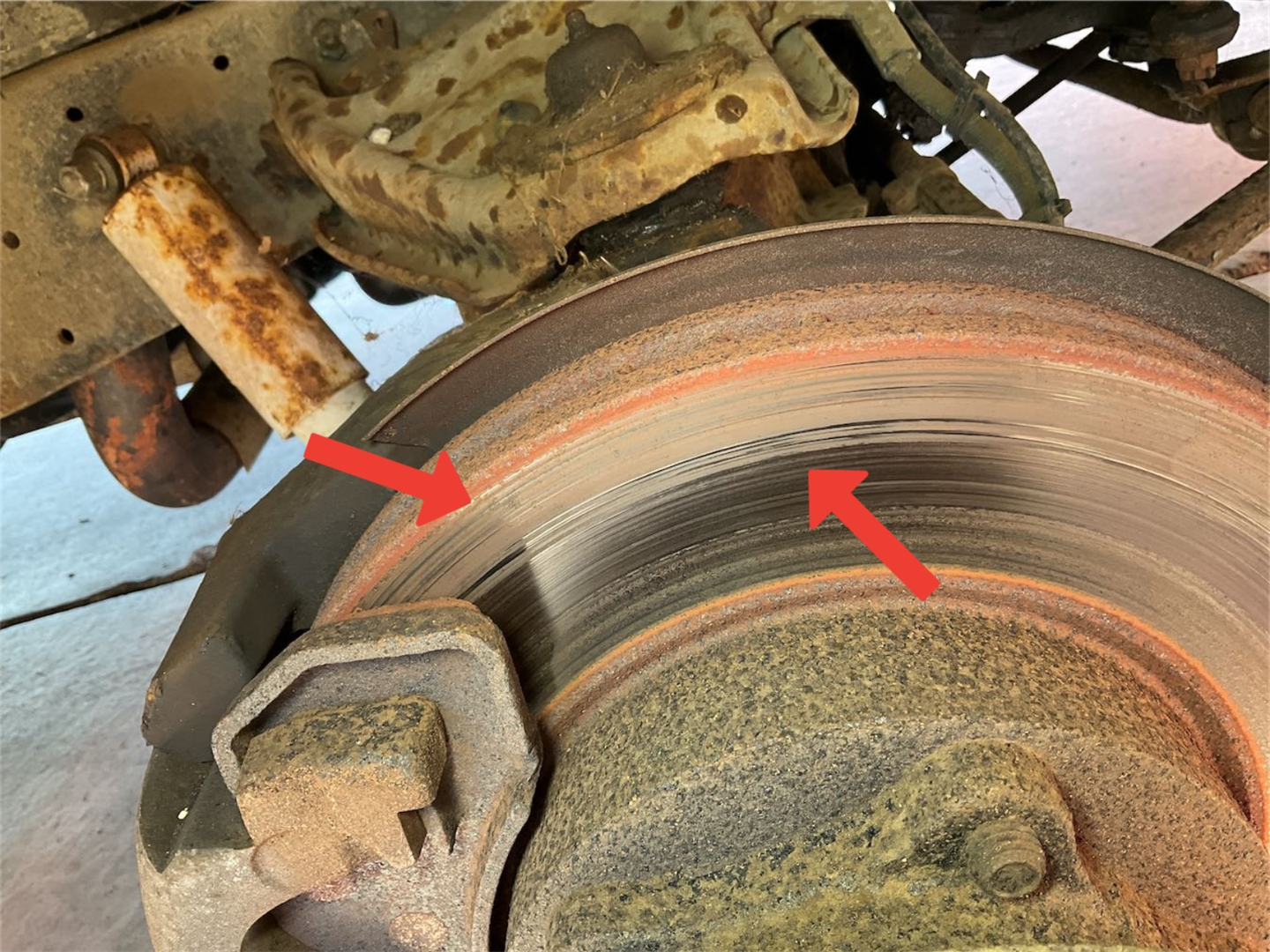
Squealing brakes are usually caused by built-in wear indicators touching the rotor, signaling you have about 10–15% of pad life left. A "weak" or spongy brake pedal indicates a Tier 1 safety emergency, likely caused by air in the brake lines, moisture contamination from coastal humidity, or a hydraulic fluid leak.
Whether you are navigating the steep drop down Highway 68 into Monterey or dealing with stop-and-go traffic on Highway 1, your brakes are your vehicle’s most critical safety component. When they start making noise or feeling different under your foot, it’s completely natural to feel a wave of worry.
At Wayside Garage, we want to replace that worry with clear information. Let’s break down exactly what your brakes are trying to tell you, and how to know if you're facing a quick maintenance item or a safety emergency.
Why Are My Brakes Squealing?
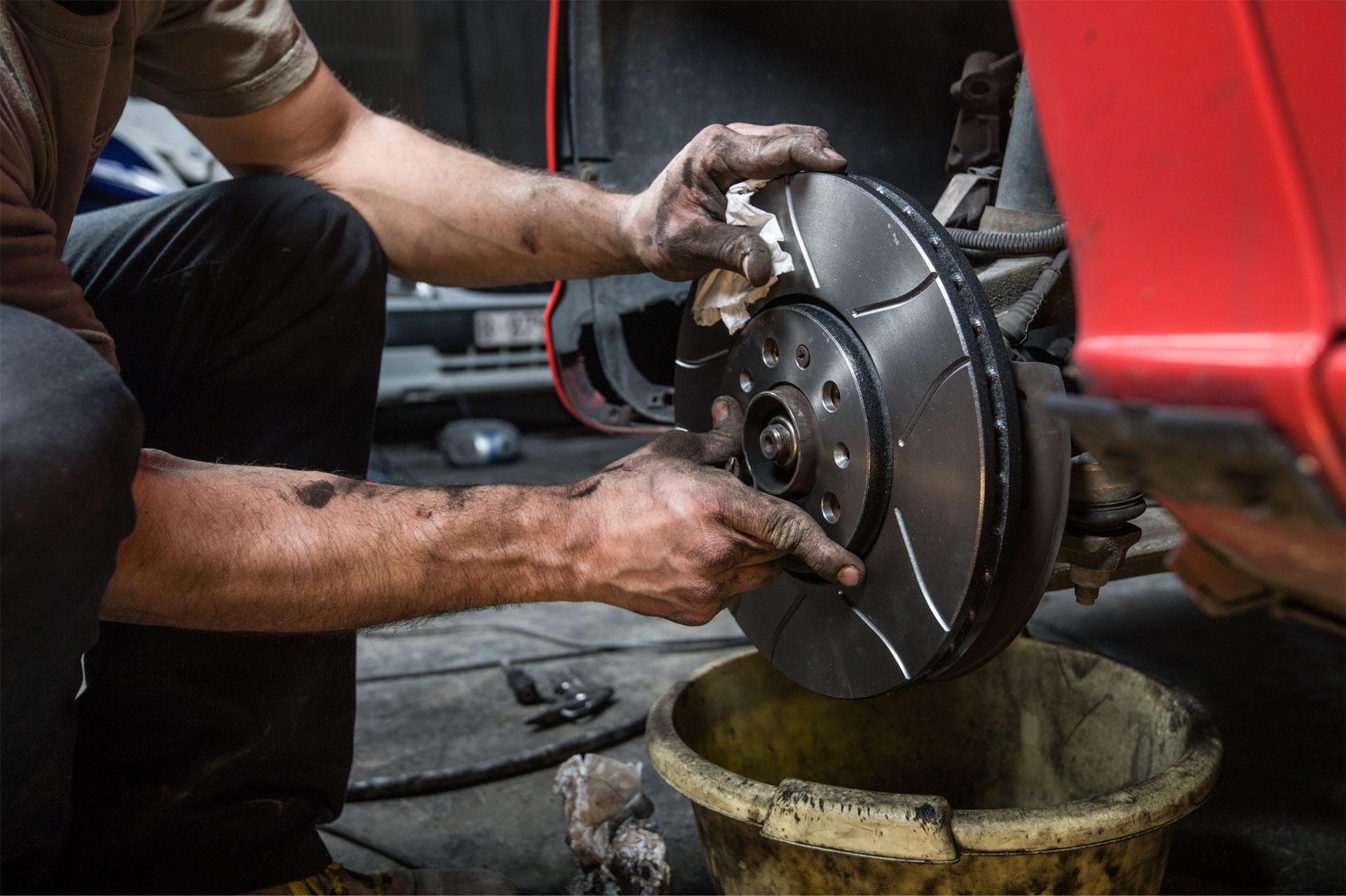
A high-pitched squeal when you press the pedal is actually a safety feature by design. Most modern brake pads are manufactured with small metal tabs called "wear indicators."
- The Cause: When your brake pads wear down to a critical thickness (usually around 2mm to 3mm), this metal tab begins to rub against the brake rotor, creating that unmistakable squeal.
- The Priority Level: This is a Tier 2 (Fix Soon) scenario. It means your brakes are functioning safely right now, but you are down to your last 10% to 15% of pad life. Planning a visit to our Seaside shop now prevents the metal-on-metal friction that ruins your rotors and leads to a much higher repair bill.
Why Do My Brakes Feel "Weak" or Spongy?
If your brake pedal feels soft, sinks slowly to the floorboard at a red light, or requires you to press harder than usual to stop, this is a completely different scenario.
- The Cause: A weak pedal means there is a loss of hydraulic pressure. This happens if moisture from our humid coastal fog contaminates the brake fluid, if air gets trapped in the system, or if there is an active fluid leak.
- The Priority Level: This is a Tier 1 (Safety Emergency). If your pedal feels weak, your vehicle's stopping distance is compromised. We recommend having the vehicle inspected immediately to keep you and your family safe.
The Wayside Garage Advisor Approach
We never guess when it comes to your safety. When you bring your vehicle to us, our ASE-certified technicians perform a transparent digital inspection. We will physically measure your pads, check your fluid health, and text a photo-backed report straight to your phone.
We will clearly show you what needs to be addressed today for your safety, and what can comfortably wait for your next budget cycle.