Do I Really Need a Wheel Alignment After Getting New Tires in Seaside, CA?
Just got new tires installed?
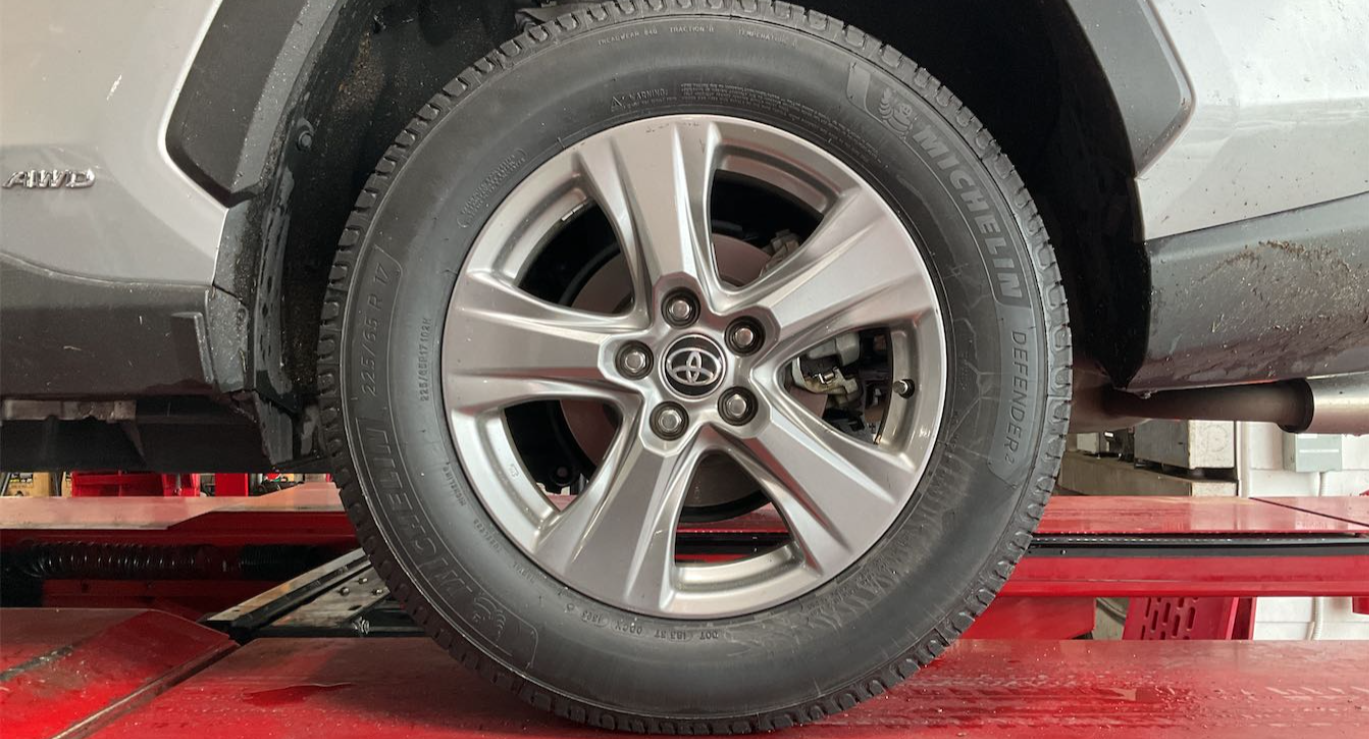
Yes, getting a wheel alignment after installing new tires is highly recommended to protect your financial investment. While new tires do not change your vehicle's mechanical alignment, putting fresh rubber on an unaligned suspension causes rapid, uneven tire wear, shortening the lifespan of your new tires by thousands of miles.
Investing in a new set of tires for your vehicle is a significant financial decision. Naturally, when your service advisor asks if you’d like to add a wheel alignment to the visit, it’s normal to wonder: Is this actually necessary, or is it just an extra charge?
At Wayside Garage, we want to give you the straight, mechanical facts so you can protect your investment.
The Misconception: Tires Don't Change Your Alignment
It is a common myth that changing your tires alters your vehicle's alignment. In reality, your alignment is determined by your car's suspension and steering components—not the rubber touching the road.
However, if your suspension was slightly out of alignment while driving on your old, worn-out tires, those alignment issues will instantly begin destroying your brand-new tires the moment you drive out of the service bay.
Why Skipping an Alignment Costs You More
Think of your new tires as a fresh pair of premium running shoes. If you walk completely straight, the soles wear down evenly. But if your posture is slightly tilted, you'll wear out the inside edge of one shoe in weeks.
On the Monterey Peninsula, hitting a single hidden pothole on Reservation Road or navigating rough infrastructure on Highway 1 can easily knock your suspension out of spec by just a fraction of a degree. If you skip the alignment:
- Rapid Tire Wear: Your new tires will experience "cupping" or rapid wear on the inner/outer edges.
- Wasted Warranty: Most tire manufacturers will actually void your mileage warranty if they discover the premature wear was caused by poor alignment.
Our Transparent Inspection Process
We believe in verifying, not guessing. When we install your new tires, we check your steering and suspension geometry using digital precision equipment. If your vehicle is pulling or showing signs of misalignment, we will visually show you the data so you can make an informed decision for your safety and your wallet.
Related Resource: Is your vehicle exhibiting other steering symptoms? Read our guide on Why Is My Car Pulling to One Side When I Drive? to understand what your suspension is trying to tell you.