The Science of Stopping: Why Coastal Fog, Short Trips, and Regenerative Brakes Are Silently Wearing Out Your System
Beyond the Brake Pads: How Moisture, Sticking Calipers, and Modern Powertrains Impact Your Vehicle's Stopping Power on the Monterey Peninsula
The Science of Stopping: Why Coastal Fog, Short Trips, and Regenerative Brakes Are Silently Wearing Out Your System
When most drivers think about brake service, they picture a simple set of friction pads. As long as the car stops and there is no deafening grinding sound, it is easy to assume everything is working as designed.
Your braking system is an interconnected hydraulic and mechanical assembly. On the Monterey Peninsula, external factors—from coastal marine layer fog to short grocery runs and hybrid regenerative braking—quietly accelerate wear long before warning lights appear on the dash.
Subtle Warning Signs Most Drivers Miss
Catastrophic metal-on-metal grinding is obvious, but modern brakes offer earlier clues if you know what to look for:
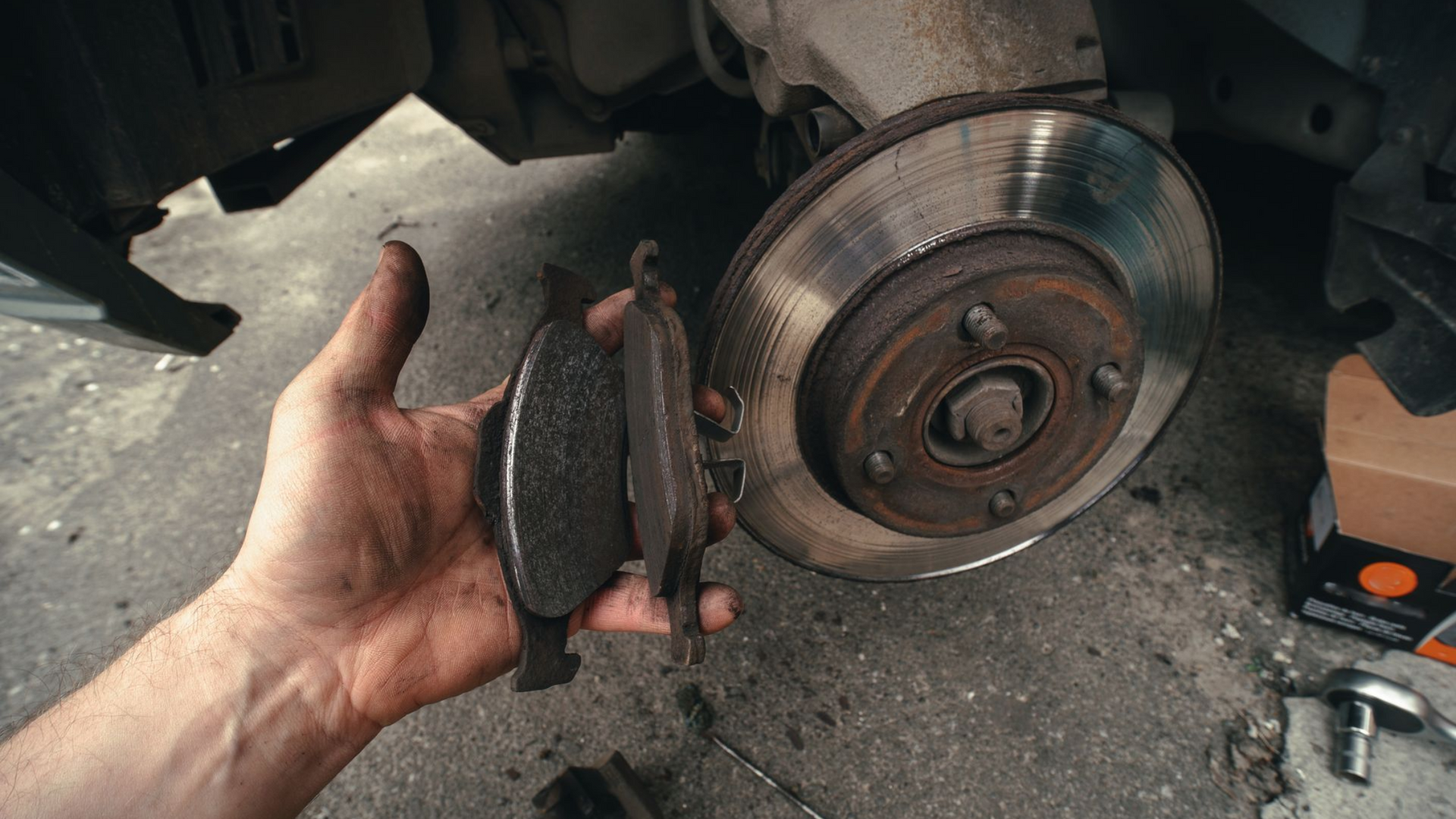
- Squealing While Driving (Without Stepping on the Pedal): Many modern brake pads include built-in acoustic wear indicators. These small metal tabs rub against the rotor while the vehicle is in motion, emitting a high-pitched chirp to alert you that the friction material is running low.
- Steering Wheel or Pedal Pulsation: If your vehicle shakes under braking, your brake rotors have likely developed uneven thickness or heat-warping. When rotors wear too thin, they lose their ability to dissipate heat, causing them to warp under load.
- Morning Squeaks from Coastal Rust: Overnight marine fog creates a micro-layer of surface rust on exposed iron rotors. While normal driving usually scrubs this off within a block or two, persistent noise points to glazed friction material, worn hardware, or mismatched pad-rotor compositions.
- Soft, Spongy Pedal Feel: A pedal that sinks or requires extra travel indicates hydraulic trouble—often moisture contamination or degraded fluid inside the lines.
Beyond the Pads: Why Brake Fluid and Calipers Fail First
A complete brake system relies on pads, rotors, hydraulic lines, fluid, and sliding caliper pistons working in balance.
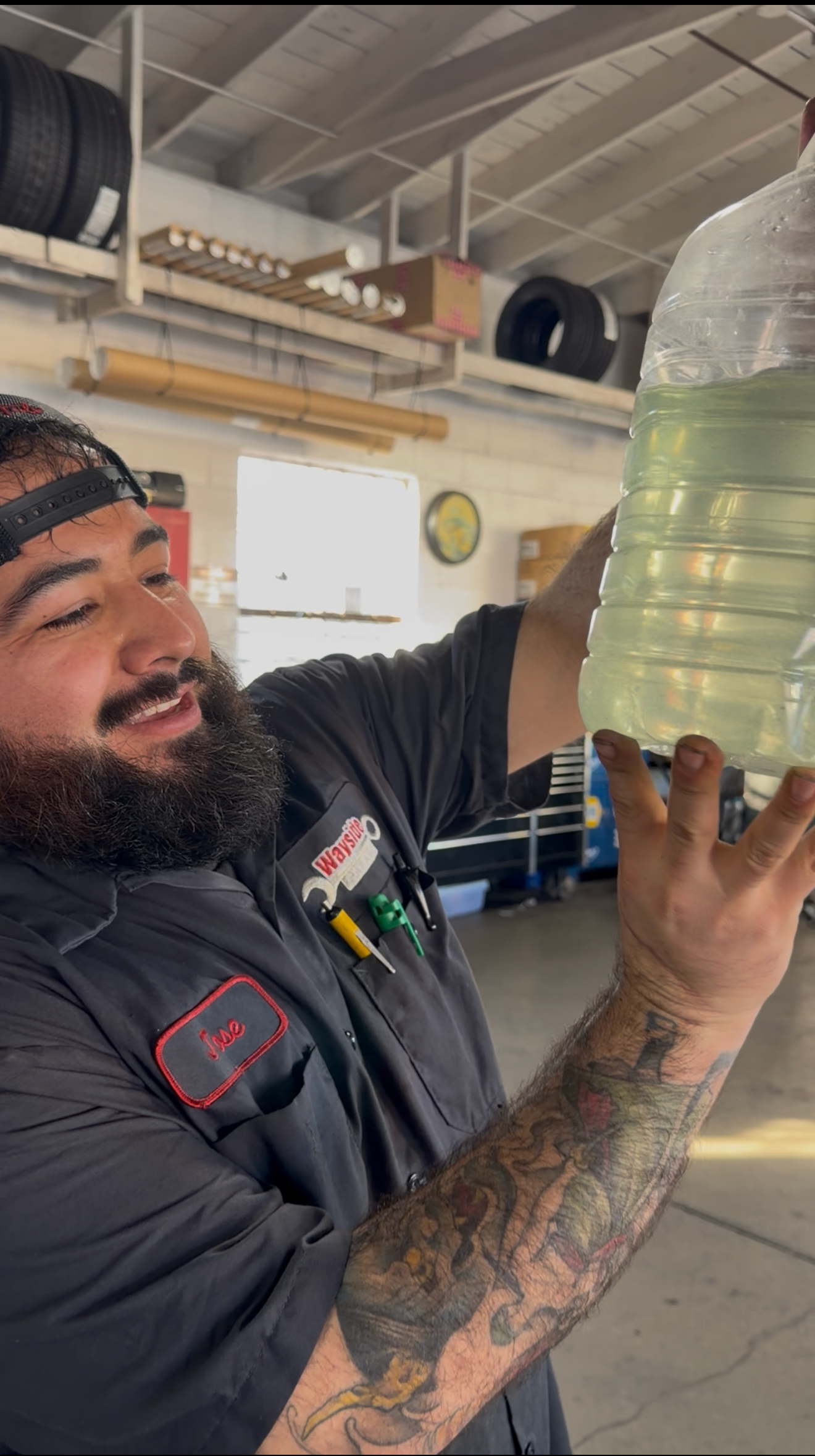
Brake fluid is hygroscopic—it absorbs ambient moisture directly from the atmosphere. If you left a cup of brake fluid outside overnight near the coast, you would find a visible layer of water sitting on top by morning.
Under heavy highway driving, heat generated by the brakes helps evaporate moisture from the lines. However, frequent short trips around town (such as quick school drop-offs or runs to Safeway) never generate enough operational heat to purge that moisture.
Moisture + Stagnant Fluid ➔ Chemical Acidity & Electrolysis ➔ Caliper Piston Pitting ➔ Sticking Calipers & Uneven Pad Wear
This chemical reaction leads to uneven brake wear:
- The "One-Sided Wear" Trap: It is common to see a vehicle arrive with 6 mm of pad life remaining on the front-right wheel, but only 1 mm (metal-on-metal) on the front-left. That occurs when moisture causes a caliper piston or slide pin to stick, forcing one pad to drag continuously while the other does nothing.
- The Service Standard: Brake fluid must be flushed and renewed every 2 years or 24,000 miles (or annually on select high-performance/EV platforms) according to fluid manufacturer specifications.
The Hybrid and EV Nuance: Regenerative Braking Pitfalls
Hybrid and electric vehicles use regenerative braking—employing the electric drive motor to slow the vehicle while recapturing energy for the battery.
Because mechanical friction brakes are used less frequently, the hydraulic calipers and pistons rarely cycle through their full range of motion. This lack of physical movement allows stagnant moisture to pool inside caliper bores, accelerating corrosion and piston pitting.
For all hybrid and EV owners, an annual brake caliper service and inspection is essential to keep mechanical hardware lubricated and moving freely.
Downstream Damage: How Neglected Brakes Stress Suspension
Braking is directly tied to vehicle dynamics. As brake pads thin down to 3 mm or 2 mm and rotors lose thermal mass, stopping distance increases significantly.
That delayed deceleration transfers excess forward momentum into the chassis, putting heavy strain on:
- Shocks and Struts
- Control Arm Bushings
- Ball Joints and Tie Rod Ends
Letting brakes degrade past their service limit prematurely wears out front-end suspension components and compromises emergency collision-avoidance handling.
Precision Tracking: Data-Driven Inspections
At Wayside Garage, brake evaluations rely on verified data rather than casual visual estimates:
- Scientific Fluid Strips: We test hydraulic fluid for moisture percentage and copper contamination to monitor internal corrosion risk.
- Milestone Pad Tracking: During our Comprehensive and Complete Inspections, we measure pad lining and rotor thickness in exact millimeters. Tracking pad life from 8 mm down to 6 mm lets you budget ahead, scheduling replacements at 3 mm before rotors or sensors suffer damage.
- Full-System Quality Control: Every service includes verification of slide-pin lubrication, caliper hardware integrity, and hydraulic pressure checks.
Concerned About a Soft Pedal or Morning Brake Noise?
Stay ahead of costly caliper damage. Schedule your comprehensive digital brake inspection at Wayside Garage in Seaside today.