How to Make Your Car Last 300,000 Miles: The Real Truth About Oil Changes & Modern Maintenance
The Truth About Dealership "Cost to Own" Schedules, Synthetic Additive Breakdown, and Keeping Your Vehicle Past 200K Miles
How to Make Your Car Last 300,000 Miles: The Real Truth About Oil Changes & Modern Maintenance
If you check your vehicle owner’s manual or ask a dealership service advisor, you will almost certainly see recommended oil change intervals stretched out to 7,500 or even 10,000 miles.
Most drivers trust that recommendation implicitly, assuming it is designed to maximize the lifespan of their engine. But if you hate car payments and want your vehicle to run reliably past 200,000 or 300,000 miles, you need to know where those numbers actually came from.
The "Cost to Own" Calculation: Why Factory Intervals Got Stretched
If you look back at automotive history, extended maintenance intervals were introduced alongside J.D. Power and industry "5-Year Cost to Own" rating metrics.
Automakers realized that if they advertised fewer scheduled service visits during the initial warranty window, their estimated cost-of-ownership rating dropped dramatically, making the vehicle look much cheaper on paper during a sale.
The reality behind this strategy:
- Built for the First 100,000 Miles: Extended intervals are engineered to get a vehicle past its factory warranty period—not to protect internal engine components at 150,000, 200,000, or 300,000 miles.
- Accelerated Wear: Stretched intervals allow acidic breakdown and micro-abrasives to wear down internal seals and timing components sooner.
- Dealership Incentives: Dealerships exist to sell new vehicles. If your engine experiences internal wear, oil consumption, or mechanical failure at 100,000 miles, the dealer is ready with a trade-in offer and a brand-new car payment.
(We even have a video on our website breaking down the true "Cost to Own"—comparing the exact cost per mile of keeping your current vehicle versus taking on the steep depreciation of a new car.)
Real-world experience proves what works. With proper maintenance, vehicles easily surpass 200,000 miles—including an personal Acura driven well past 300,000 miles that is still on the road years later.
The Synthetic Oil Breakdown: What Happens After 4,000 Miles
Synthetic oil is a major technological advancement, but it is not indestructible.
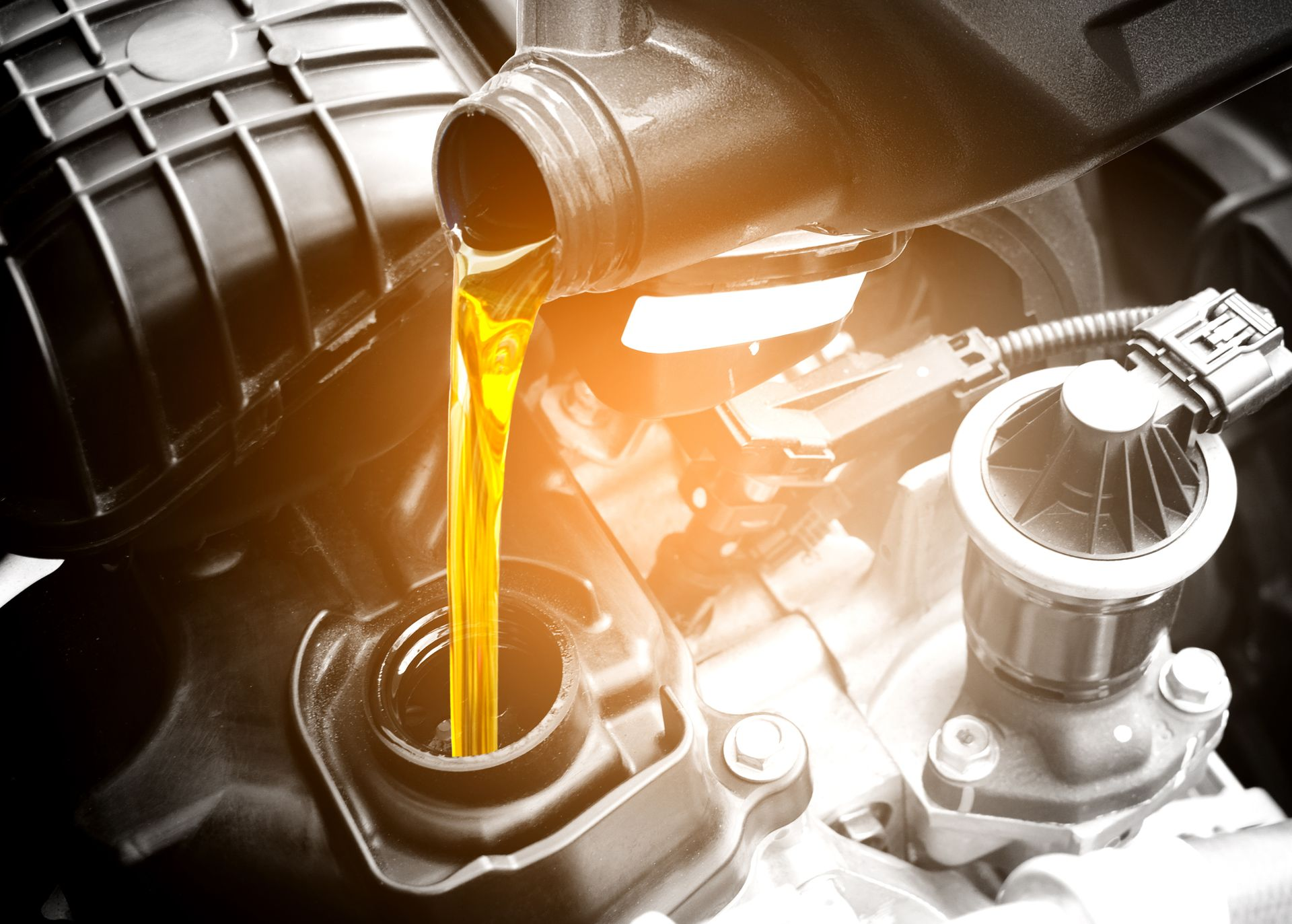
While the base fluid remains inside your crankcase, the vital chemical additives—the friction modifiers, anti-wear zinc compounds, and detergents that shield metal surfaces—break down between 3,000 and 5,000 miles depending on local driving conditions.
Modern engines rely on microscopic, vein-like oil galleys to lubricate camshafts, lifters, and variable valve timing systems. When additive-depleted oil circulates through these tiny ports, heat and friction generate sludge, starve components of lubrication, and cause irreversible internal wear.
Our Recommendation: Change your engine oil every 4,000 miles or 4 months. Paired with an annual engine cleaner, this cadence keeps internal passages clean and prevents premature failures.
More Than an Oil Change: Scientific Inspection vs. Quick-Lube Guesswork
Many quick-lube chains rush cars through the bay in ten minutes, glance at an air filter, and send drivers on their way. Rushed services frequently lead to stripped drain plugs, incorrect oil viscosities, or improperly filled crankcases that result in catastrophic engine failure.
At Wayside Garage, an oil service is treated as a comprehensive health inspection:
- Scientific Test-Strip Analysis: We do not guess based on fluid color alone. We use calibrated test strips to measure brake fluid for moisture and copper content, analyze coolant for pH balance and freeze protection, and test transmission and power steering fluids for metallic wear particles.
- Transparent Digital Vehicle Inspections: Every vehicle receives an undercarriage, belt, hose, and visual brake inspection, complete with clear photos and videos sent directly to your phone.
- Multi-Tier Inspection Options: Choose from our complimentary baseline digital inspection, upgrade to a comprehensive check with precise brake pad measurements, or select a complete scan that diagnoses computer codes, checks alignment, and inspects the cabin air filter.
- Dedicated Quality Control: Before any vehicle is returned to a customer, technicians complete a secondary quality-control check to ensure all fluid levels, torque specs, and component checks are verified.
The Hybrid & EV Reality: Why Electrified Vehicles Still Need Service
A common misconception is that hybrid and electric vehicles do not require routine maintenance because their engines run less or are absent. In truth, electrified systems present unique maintenance demands:
- Dual Cooling Systems & Electrolysis: Hybrids feature dedicated, multi-loop cooling systems for both the gas engine and the high-voltage inverter. When hybrid coolant degrades and turns acidic, it causes electrolysis—a chemical reaction that can corrode components and damage high-voltage battery modules.
- Hygroscopic Moisture & Seized Brake Calipers: Because regenerative braking relies on the electric motor to slow the vehicle, mechanical brake pads are rarely stressed. However, brake fluid is hygroscopic—it continuously absorbs ambient moisture. That stagnant moisture pools in hydraulic lines, leading to pitted caliper pistons and seized brakes. An annual brake caliper service and hydraulic flush are essential.
- EV Drivetrain Fluids & Internal Hose Wear: Electric vehicles utilize specialized reduction gearbox fluids and cooling hoses that degrade from the inside out. Annual inspections prevent sudden roadside failures.
Service Done With You, Not To You
Replacing a vehicle today is an expensive proposition. Our entire team—from service advisors and apprentice technicians to master techs and shuttle drivers—operates with your best interest at heart: we do this with you and for you, never to you.
We provide objective data, test results, and photos so you can make informed decisions that keep your vehicle dependable for years without a monthly payment.
Is Your Vehicle Due for an Oil Service or Multi-Point Health Check?
Protect your investment and skip the new car showroom. Stop by Wayside Garage in Seaside or book your appointment online today.